
A New York uniform is not a shortage of imagination. It is a set of decisions made once — weights, proportions, three neutrals and one accent — so the rest of the day belongs to where you are going rather than what you are wearing. Eight pieces, worn in a fixed layering order, will carry you from a February platform at Broadway-Lafayette to a September rooftop without a single wasted purchase.
Why a uniform works here specifically
New York is a walking city with a transit system that behaves like a separate climate. On an average weekday you cover four to eight miles on foot, pass through a platform that holds heat like a kiln, sit in an office cooled to 68 °F, then step back into wind funneling down an avenue. No single garment solves that. A system does.
The uniform approach means buying fewer things, buying them heavier, and learning how they behave together. Once you know your crewneck sits under your overshirt and both sit under your shell, getting dressed takes forty seconds and never produces a bad outcome. What people notice in a well-dressed New Yorker is rarely novelty; it is repetition executed with precision.
The cost-per-wear math
A 450 gsm loopback hoodie at $180, worn 30 times a winter across three winters, lands at $2.00 per wear and still holds its shape. A $45 fleece-back hoodie that pills and collapses at the shoulder after 15 wears costs $3.00 per wear and looks worse the entire time. Weight is not a luxury tax; it is amortization.
The eight core pieces
Everything below is specified by weight, because weight — not brand, not logo — determines whether a garment drapes, layers, and survives. Treat these as slots: you fill each one properly, once, and then stop.
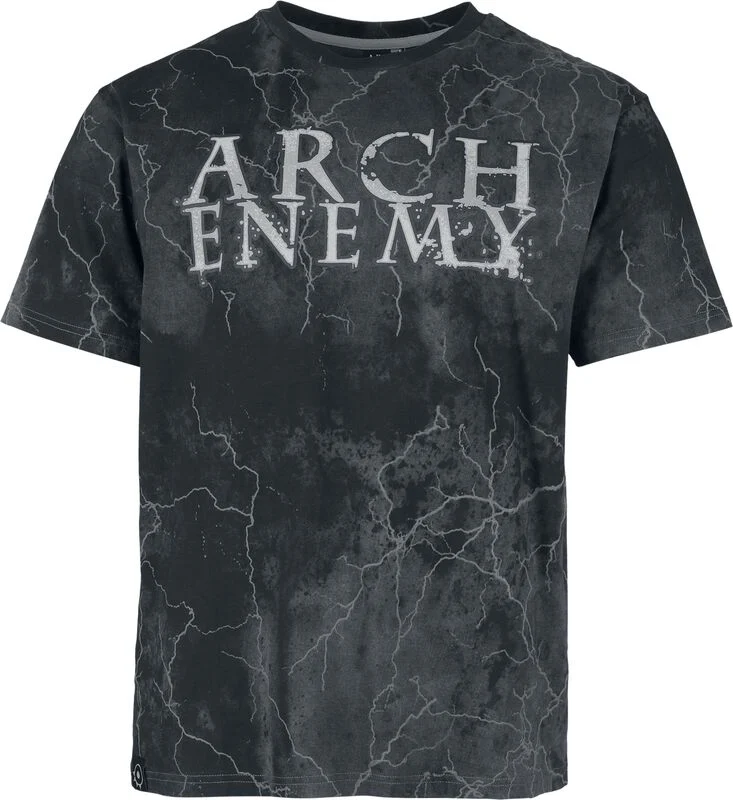
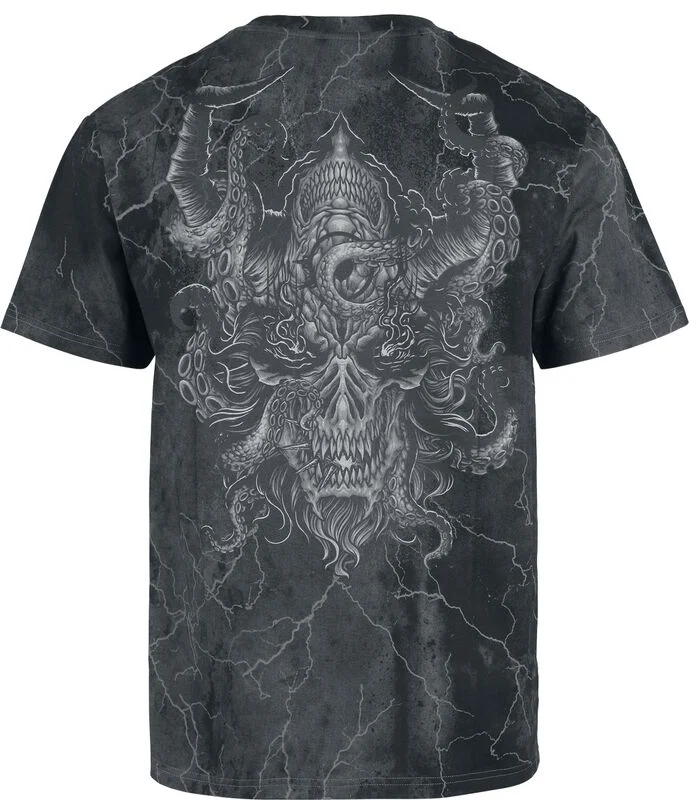
- Heavyweight tee, 220–240 gsm. Boxy body, ribbed collar that recovers, sleeve ending mid-bicep. It should stand slightly away from the torso rather than cling.
- Long-sleeve layering tee, 180–200 gsm. Slimmer than the heavyweight tee on purpose. This is the piece that goes underneath everything from October onward.
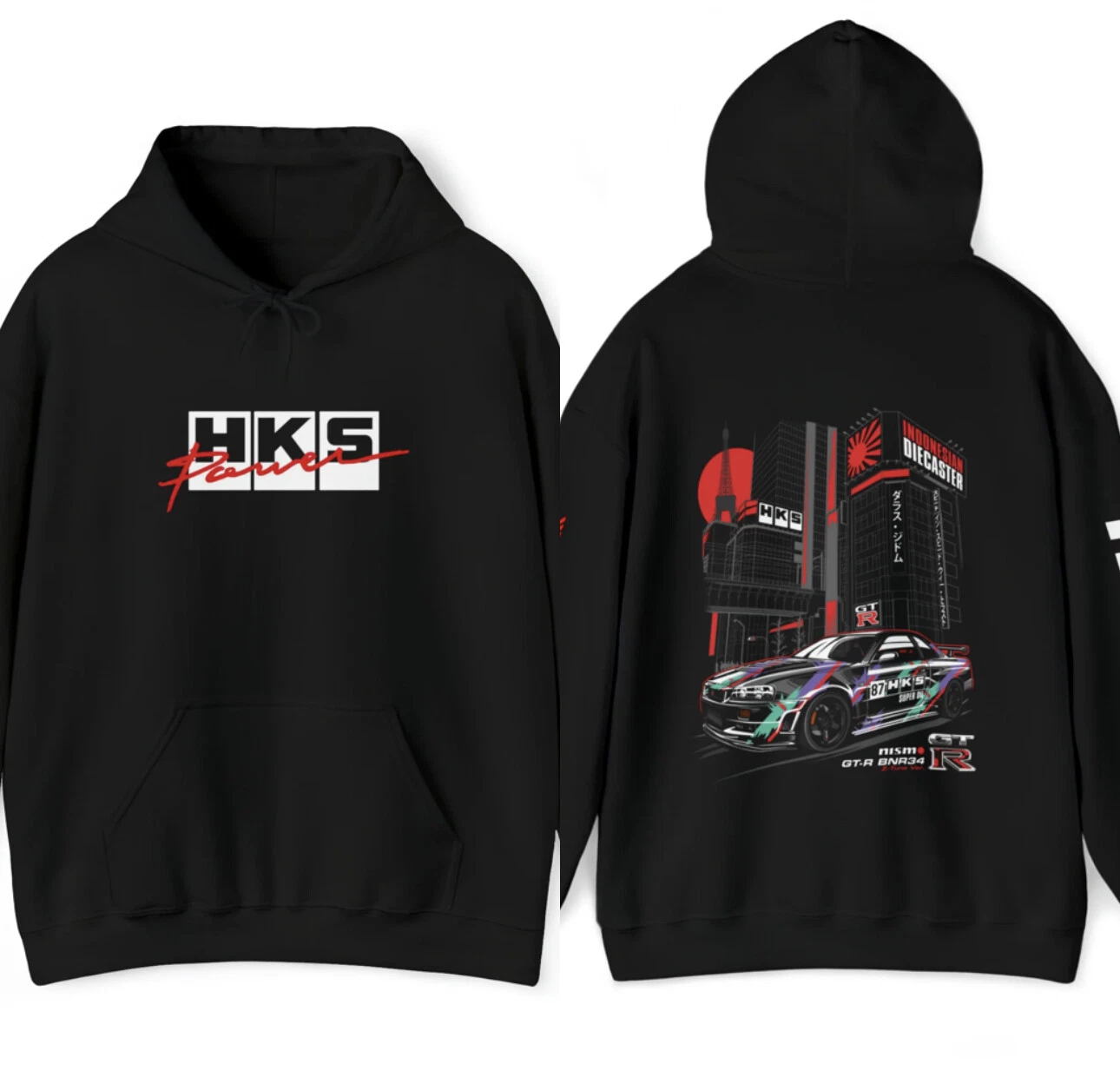
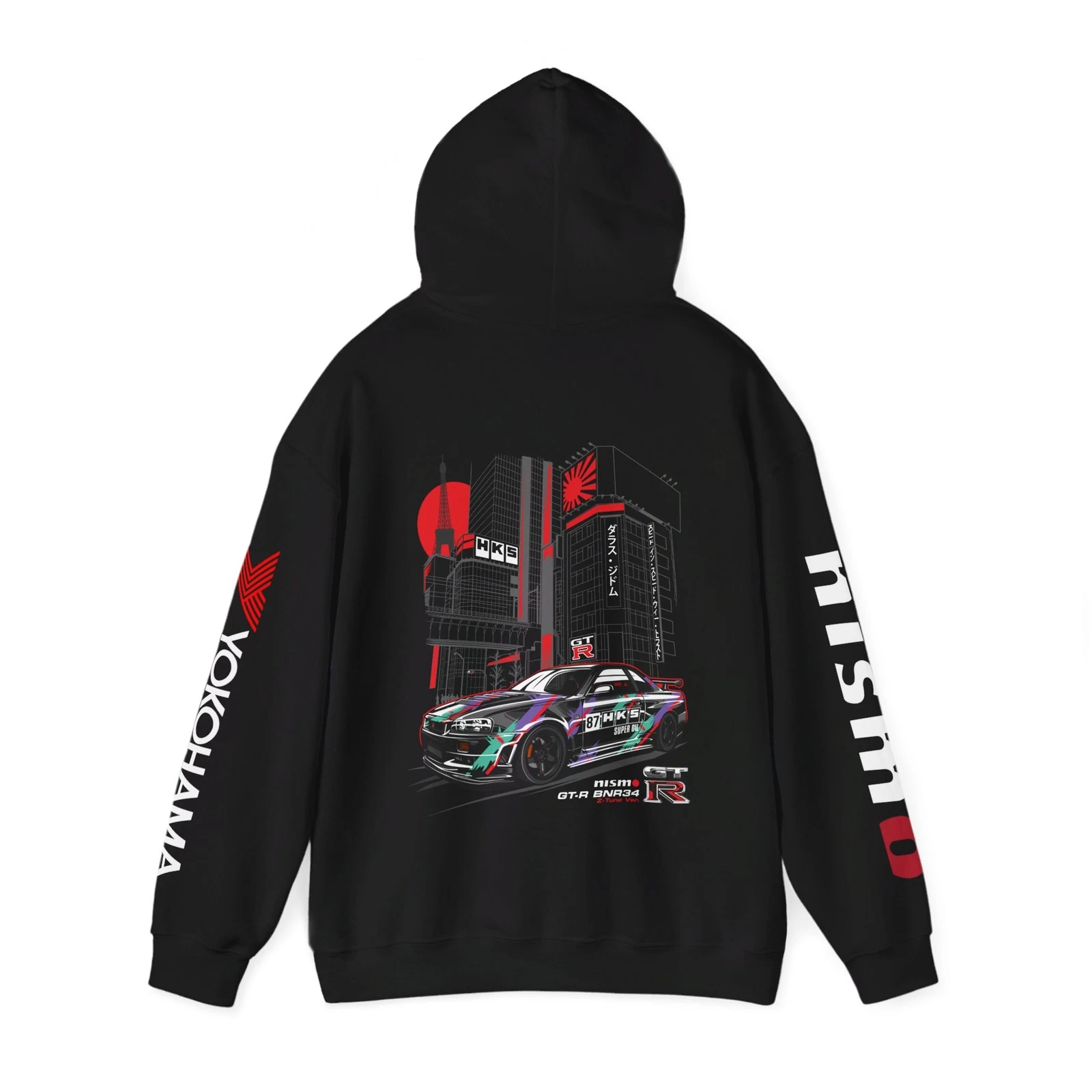
- Hooded sweatshirt, 400–500 gsm loopback. The anchor of the cold-weather wardrobe. A structured hood that stands on its own is the difference between a silhouette and a slump.
- Crewneck sweatshirt, 340–400 gsm. Flatter through the neck, so it disappears under an overshirt or jacket where a hood would bunch.
- Overshirt, 8–10 oz twill or wool blend. The most underrated slot: a jacket in October, a mid-layer in January.
- Outer shell. One hooded parka or lined coach jacket, cut to close over a hoodie without pulling at the chest.
- Wide utility trouser, 10–12 oz cotton twill. Straight or gently tapered from the knee, with a full break or a single soft fold at the shoe.
- Straight denim, 13–14 oz. Rigid enough to hold a line after a full day of walking. Raw or one-wash, never distressed into fragility.
That is the whole structure. Caps, a beanie, and one bag sit outside the count because they rotate faster and cost less. Fill the slots in order of how often you will reach for them, not in order of what you want most.
The layering system, in order
Layering fails when two garments compete for the same job. Each layer should be one degree less structured than the one above it, so the stack compresses cleanly instead of bulking at the armhole.
- Base. Heavyweight tee in summer, long-sleeve layering tee from October. Tucked never, hem sitting just below the belt line.
- Mid. Crewneck or hoodie. If an overshirt is going on top, choose the crewneck; a hood under a collar creates a lump that no amount of adjusting fixes.
- Shirt layer. The overshirt, worn open in transitional weather, closed with the top two buttons undone when the wind picks up.
- Shell. Parka or coach jacket. This is the only layer that should be genuinely windproof; the others are insulation.
- Accent. One item — cap, beanie, scarf, or bag — that carries the single color you have allowed yourself.
Below 25 °F you run four layers; between 40 and 55 °F you run two and carry nothing. The skill is knowing which layer to shed on the platform rather than sweating through it.
Proportion and silhouette rules
Three rules cover almost every outfit you will build from these eight pieces.
One volume at a time
If the trouser is wide, the top is cropped or boxy but close through the shoulder. If the top is oversized, the leg is straight rather than voluminous. Two exaggerated volumes together read as a costume, not a silhouette. Our full breakdown of this sits in the piece on fit and proportion.
Stagger your hems
Hoodie, overshirt, and jacket hems should not land within an inch of each other. Aim for two to three inches of separation so the eye reads distinct layers instead of one thick block. A quarter-inch of base-layer cuff past a sweatshirt sleeve is intentional; three inches is an accident.
Get the shoulder right first
Drop shoulders are a design choice, not a sizing error, and they only work when the seam lands where the designer intended. Sizing up an already-dropped shoulder pushes the seam toward the elbow and shortens the arm visually. Check the size guide rather than defaulting to your usual letter.
The uniform is not about looking the same every day. It is about removing the variables that were never the interesting part.
Gifted Elite New York
Color discipline
Black, charcoal or mid-grey, and off-white. One accent, chosen once and kept for a season. That is the entire palette, and it is why a small wardrobe yields so many combinations: every piece is compatible with every other piece by construction.
A workable ratio is 70 percent black and grey, 20 percent off-white, 10 percent accent. The accent belongs on something small and replaceable: a cap, a knit, a jacket lining. Putting it on an expensive outer layer locks you in for three years.
Off-white deserves specific mention. True white goes grey and looks tired after ten washes in city water; natural, bone, and ecru absorb the same wear and read as intentional. Low-impact dyes age more gracefully still, holding character instead of drifting toward a dull pallor.
Keeping black actually black
Wash cold, inside out, on a short cycle, with roughly half the detergent you think you need — surfactant residue is what gives faded black its chalky cast. Skip the dryer for anything above 350 gsm and hang it on a wide hanger or flat. Six months of this is the difference between deep black and a garment that has quietly become dark grey.
Fabric by season
New York gives you four genuinely distinct wardrobes, and the transitions are sharper than most cities. The table below is what actually gets worn, mapped to temperature rather than calendar month.
| Season | Typical range | Base & mid | Outer | Notes |
|---|---|---|---|---|
| Winter | 20–38 °F | 200 gsm long-sleeve + 450 gsm hoodie | Insulated parka | Four layers. Wind, not temperature, is the problem. |
| Early spring | 38–52 °F | 200 gsm long-sleeve + 340 gsm crewneck | Overshirt or coach jacket | Rain more than cold; a shell that packs down earns its keep. |
| Late spring | 52–68 °F | 240 gsm tee | Overshirt, worn open | The single best two-piece window of the year. |
| Summer | 72–95 °F | 220 gsm tee, open-weave or garment-dyed | None | Fabric that breathes and holds shape when damp. Loose leg, always. |
| Fall | 45–62 °F | 240 gsm tee + hoodie | Overshirt | Peak uniform season. Every piece is in play. |
Weight does the most work in all five rows. If you are unsure why a 240 gsm tee behaves so differently from a 150 gsm one, our heavyweight cotton primer covers the yarn and knit structure behind it.

Footwear that earns its place
Three pairs cover the year, and all three must tolerate rain, salt, and eight miles of pavement.
- A low, clean sneaker in white or off-white leather. It reads sharp against dark trousers and is the only place white belongs at ground level.
- A black leather or suede boot with a lugged sole. This is your November-to-March shoe and the one that handles slush without complaint.
- A chunkier trainer in grey or black for long-walking days, where a wide trouser absorbs the heavier sole.
Match the shoe's visual weight to the trouser hem. A wide 11 oz twill over a slim sneaker looks unfinished; the same trouser over a lugged boot looks deliberate.
A five-day rotation
Here is the system running at 45–55 °F, the most common New York condition across roughly five months of the year. Nothing repeats identically, and nothing needs washing more than twice.
| Day | Top | Bottom | Third piece | Feet |
|---|---|---|---|---|
| Mon | Heavyweight tee, black | Wide twill, charcoal | Overshirt, black | Low sneaker |
| Tue | Long-sleeve, off-white | Straight denim, indigo-black | Crewneck, grey | Chunky trainer |
| Wed | Heavyweight tee, off-white | Wide twill, black | Hoodie, black | Boot |
| Thu | Long-sleeve, black | Straight denim | Overshirt + accent cap | Low sneaker |
| Fri | Crewneck, off-white | Wide twill, charcoal | Coach jacket, black | Boot |
Making it personal rather than boring
The difference between a uniform and a rut is where you allow variation. Keep the silhouette and palette fixed; vary texture, surface, and the accent. A garment-dyed black next to a piece-dyed black creates depth a photograph flattens but the eye registers immediately. A puff print beside a flat discharge print does the same thing at close range: same color, different surface, entirely different presence.
Wear is the other variable, and it is free. Raw denim creased to your stride and cuffs relaxed into your posture are personal in a way nothing bought can be. That is the honest version of a uniform: it starts as eight pieces from the shop and ends as a record of where you have been walking.
Buy the heavier one. In three winters it will be the only thing in the closet that still looks like the day it arrived.
Gifted Elite New York
Key takeaways
- Eight slots — tee, long-sleeve, hoodie, crewneck, overshirt, shell, wide trouser, straight denim — cover the full New York year.
- Layer in a fixed order and keep each layer one degree less structured than the one above it.
- Run one exaggerated volume at a time and stagger hems by two to three inches.
- Hold the palette at roughly 70 percent black and grey, 20 percent off-white, 10 percent accent, and put the accent on something small.
- Buy by weight in gsm and ounces, not by price tier; cost-per-wear favors the heavier garment almost every time.
- Vary texture, dye method, and wear rather than silhouette — that is what keeps a uniform from becoming a rut.
Frequently asked questions
How many pieces do I actually need to start?
Four will get you through most of the year: a heavyweight tee, a hoodie, a wide twill trouser, and one shell. Add the long-sleeve layering tee and the overshirt before your first real cold snap, then the crewneck and denim as budget allows. Buying the eight slowly, one properly made piece at a time, produces a better wardrobe than buying all eight cheaply at once.
Will an all-black wardrobe end up looking boring?
Only if every black is the same black. Garment-dyed, piece-dyed, and pigment-dyed cottons sit at visibly different depths, and a twill, a loopback fleece, and a rigid denim reflect light three different ways. Combine those and the outfit has real variation at conversational distance. Reserve your color for one small accent piece and the neutrals stop reading as absence.
How do I stop black cotton from fading to grey?
Wash cold, inside out, with about half the detergent the bottle recommends, and wash less often than you think necessary. Heavyweight fleece should be air-dried flat or on a wide hanger, never tumbled hot. Most fading is mechanical abrasion plus detergent residue rather than dye loss, so gentler cycles and fewer of them do most of the work.
What hoodie weight is right for a New York winter?
Between 400 and 500 gsm. Below 350 gsm it works as a mid-layer under a parka but collapses when worn alone. Above 500 gsm it stops fitting under most shells and gets uncomfortable on the subway. A structured 450 gsm loopback hits the balance: warm enough to wear alone down to about 45 degrees, thin enough to layer beneath a coat.